
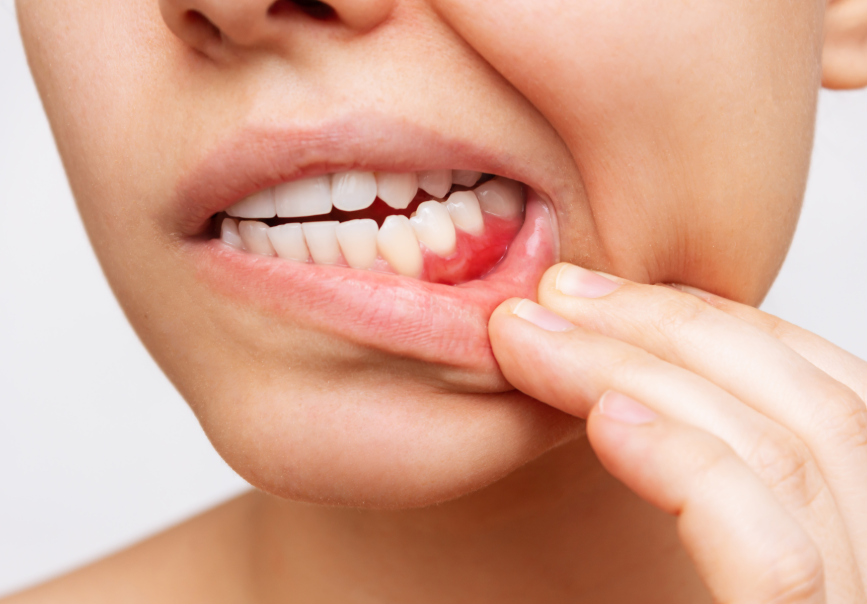
Gum disease can develop gradually, sometimes causing damage before you notice anything is wrong. While plaque buildup is a major contributor, certain health conditions, habits, and even genetics can increase your chances of developing periodontal disease. Understanding your personal risk factors can help you take steps to protect your gums and keep your smile healthy.
1. Smoking and Tobacco Use
Smoking is one of the most significant risk factors for gum disease. Tobacco use can interfere with your body’s ability to fight infection and heal, making gum problems more likely and treatment less successful. This includes other tobacco products, not just cigarettes.
If you use tobacco, talk with your healthcare provider about quitting. Reducing or stopping tobacco use can benefit both your oral health and your overall well-being.
2. Poor Oral Hygiene
Plaque is a sticky film of bacteria that builds up on teeth throughout the day. When it isn’t removed through regular brushing and flossing, it can irritate the gums and lead to gingivitis, the earliest stage of gum disease. If plaque hardens into tartar, it becomes more difficult to remove at home.
Without treatment, gum disease can progress to periodontitis, which damages the tissues and bone that support your teeth. Brush twice daily, clean between your teeth every day, and keep up with professional dental visits to help prevent plaque from accumulating.
3. Genetics and Family History
Sometimes, gum disease risk runs in families. Certain genetic factors may make some people more susceptible to periodontal problems, even when they maintain a consistent oral hygiene routine.
You can’t change your genetics, but knowing your family history can help you be proactive. Let your dental professional know if close relatives have experienced significant gum disease or early tooth loss.
4. Diabetes and Other Health Conditions
Diabetes, especially when blood sugar is not well controlled, can increase the risk of developing gum disease and make it harder for the body to manage inflammation and infection. The relationship can go both ways, as gum inflammation may also make blood sugar management more challenging.
Other health conditions that affect the immune system or the body’s inflammatory response may influence gum health, too. Share relevant medical information with your dental team so they can help you determine the right approach to prevention and care.
5. Medications and Hormonal Changes
Some medications can affect oral health by reducing saliva production or causing changes in gum tissue. Hormonal changes during puberty, pregnancy, and menopause may also make gums more sensitive to plaque and inflammation.
Don’t stop taking prescribed medication without speaking with your healthcare provider. Instead, tell your dental professional about any medications you take and any changes in your health.
6. Age, Stress, and Nutrition
The risk of gum disease tends to increase with age, partly because of cumulative exposure to risk factors over time. Chronic stress may also affect the body’s immune response and make it harder to maintain healthy habits. Meanwhile, poor nutrition can limit the nutrients your body needs to support healthy gums and fight infection.
These factors don’t guarantee you’ll develop gum disease, but they are worth keeping in mind. A balanced diet, stress-management strategies, and consistent oral care can all support healthier gums.
What Can You Do to Lower Your Risk?
Even if you have one or more risk factors, you can take meaningful steps to protect your oral health. Brush twice a day with fluoride toothpaste, clean between your teeth daily, avoid tobacco, and schedule regular dental visits. Watch for warning signs such as bleeding, swollen or tender gums, persistent bad breath, or gums that appear to be pulling away from your teeth.
Early evaluation can help identify gum disease before it progresses. If you notice changes in your gums, don’t wait for discomfort to appear before seeking professional advice.
A little prevention and early attention can go a long way toward protecting your smile.
About the Practice
EPO Dental Specialists provides specialized dental care in Richardson, Texas, including periodontal services focused on the health of the gums and the structures that support your teeth. The practice offers gum disease therapy for patients with concerns ranging from early gum inflammation to more advanced periodontal disease. Its team includes periodontists with expertise in diagnosing and treating conditions affecting gum and bone tissue.
Call us at (972) 479-1200 or schedule your appointment online